Exploring the integration of legal protection with business insurance, this introduction sets the stage for a deep dive into the intricacies of safeguarding your business. With a focus on the crucial link between legal protection and insurance, readers are in for an enlightening journey through the realms of risk management and compliance.
As we navigate through the various types of legal protection coverage and strategies for seamless integration, you'll gain valuable insights on fortifying your business against potential legal pitfalls.
Understanding Legal Protection in Business Insurance
Legal protection within business insurance refers to the coverage that helps businesses handle legal issues that may arise during their operations. This includes legal fees, court costs, settlements, and judgments resulting from lawsuits or claims against the business. Having legal protection in place is crucial for safeguarding a business's assets and reputation, as it can help mitigate financial risks and prevent potential disruptions to the business.
Examples of Legal Issues Without Proper Legal Protection
- Employee lawsuits for wrongful termination, discrimination, or harassment
- Contract disputes with clients or vendors
- Intellectual property infringement claims
- Product liability lawsuits
Legal issues like these can result in significant financial losses, damage to the business's reputation, and even closure in severe cases. Without proper legal protection, businesses may struggle to cover legal expenses or damages, leading to long-term consequences that can impact their sustainability and growth.
Importance of Legal Protection for Business Assets and Reputation
Legal protection plays a vital role in safeguarding a business's assets, such as property, equipment, inventory, and intellectual property. By having the necessary insurance coverage, businesses can protect themselves against unexpected legal challenges that could threaten their financial stability and operational continuity.
Additionally, legal protection helps maintain a positive reputation by demonstrating a commitment to compliance, ethical business practices, and responsible risk management.
Types of Legal Protection Coverage

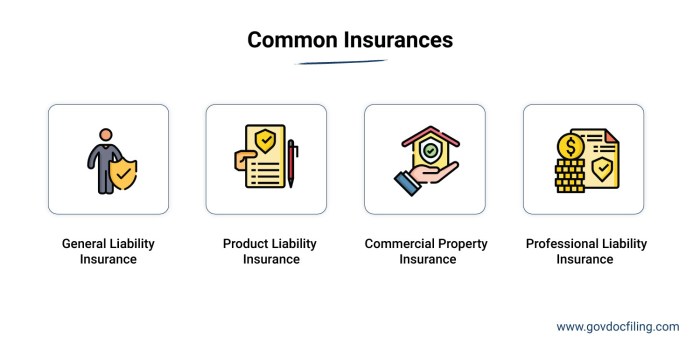
Legal protection coverage in business insurance policies can vary depending on the type of policy and the specific needs of the business. Here are some common types of legal protection coverage available:
General Liability Insurance
General liability insurance provides coverage for claims of bodily injury, property damage, and advertising injury. This type of insurance can help protect your business from lawsuits related to accidents or negligence that occur on your premises or as a result of your business operations.
Professional Liability Insurance
Professional liability insurance, also known as errors and omissions insurance, provides coverage for claims of negligence or inadequate work performance. This type of insurance is particularly important for businesses that provide professional services, such as doctors, lawyers, consultants, and accountants.
Specific Clauses in Insurance Policies
Insurance policies may contain specific clauses or provisions that offer legal protection to businesses. Some common examples include:
-
"Duty to Defend" clause: This clause requires the insurance company to provide legal defense for covered claims, even if they are groundless or false.
-
"Indemnity" clause: This clause Artikels the extent to which the insurance company will cover costs associated with legal claims, including settlements and judgments.
-
"Exclusions" clause: This clause specifies what is not covered by the insurance policy, such as intentional acts or certain types of risks.
Integrating Legal Protection with Business Insurance
When it comes to protecting your business, combining legal protection with other types of business insurance can provide a comprehensive shield against potential risks and liabilities. By integrating legal protection seamlessly with your existing insurance coverage, you can ensure that your business is well-protected in various scenarios.
Assessing Legal Protection Needs for Your Business
Before combining legal protection with other business insurance policies, it is crucial to assess the specific legal risks and liabilities your business may face. Consider the nature of your industry, the size of your business, and the potential legal disputes that could arise.
Conducting a thorough evaluation of your legal protection needs will help you determine the right coverage to integrate with your existing insurance policies.
Strategies for Effective Integration
- Identify Key Legal Risks: Start by identifying the primary legal risks that your business is exposed to, such as contract disputes, employee lawsuits, or intellectual property issues.
- Choose Appropriate Coverage: Select legal protection coverage that aligns with your identified risks, ensuring that you have adequate protection in place.
- Consult with Experts: Seek guidance from legal and insurance professionals to help you navigate the complexities of integrating legal protection with other insurance policies.
- Review and Update Regularly: Regularly review your legal protection needs and make adjustments to your coverage as your business evolves and grows.
Benefits of Bundling Legal Protection with Other Insurance Coverages
By bundling legal protection with other insurance coverages, you can enjoy cost savings and streamline your risk management process. Bundling allows you to consolidate your insurance policies with a single provider, making it easier to manage your coverage and ensure comprehensive protection for your business.
Additionally, having a combined policy can lead to potential discounts and reduced premiums, maximizing the value of your insurance investments.
Legal Compliance and Risk Management
Legal compliance is an essential aspect of business operations that ensures companies adhere to laws and regulations governing their industry. When it comes to business insurance and legal protection, legal compliance plays a crucial role in determining the coverage needed to mitigate risks and protect the business from potential liabilities.Risk management, on the other hand, involves identifying, assessing, and prioritizing risks to minimize their impact on the business.
By integrating risk management practices with legal protection, businesses can proactively address potential legal issues and safeguard their assets.
Role of Legal Compliance in Business Insurance
Legal compliance ensures that a business operates within the bounds of the law, reducing the likelihood of facing legal challenges. When obtaining business insurance, companies must accurately assess their legal obligations to determine the appropriate coverage needed. Failure to comply with laws and regulations can lead to insurance claims being denied, leaving the business vulnerable to financial losses.
- Regular review of laws and regulations affecting the industry
- Seeking legal counsel to ensure compliance with relevant laws
- Documenting compliance efforts for insurance purposes
Role of Risk Management in Enhancing Legal Protection
Effective risk management practices help businesses identify potential legal risks and implement strategies to mitigate them. By conducting thorough risk assessments and developing risk management plans, companies can enhance their legal protection and minimize the likelihood of facing legal disputes.
- Implementing internal controls to prevent legal violations
- Training employees on legal compliance and risk management
- Regularly reviewing and updating risk management strategies
Best Practices for Ensuring Legal Compliance and Minimizing Legal Risks
To ensure legal compliance and minimize legal risks through insurance, businesses can adopt the following best practices:
- Creating a compliance program tailored to the business's specific needs
- Conducting regular audits to assess compliance with laws and regulations
- Obtaining appropriate insurance coverage to address potential legal liabilities
Final Conclusion
In conclusion, the symbiotic relationship between legal protection and business insurance emerges as a cornerstone of a resilient and secure business framework. By understanding the nuances of legal compliance, risk management, and comprehensive coverage, businesses can thrive amidst challenges and uncertainties.
Frequently Asked Questions
How can legal protection benefit my business?
Legal protection can safeguard your assets, reputation, and financial stability by providing coverage against legal issues that may arise.
What are some common clauses in insurance policies that offer legal protection?
Some common clauses include coverage for legal defense costs, liability protection, and indemnity against lawsuits.
Is bundling legal protection with other insurance coverages cost-effective?
Yes, bundling legal protection with other insurance coverages can lead to cost savings and provide comprehensive coverage for your business.