Embark on a journey into the realm of cryptocurrency trading in 2025, where legality and security reign supreme. This introduction sets the stage for an enlightening exploration of the intricacies and importance of trading in the digital asset space.
Delve deeper into the nuances of legal compliance and security measures to navigate the evolving landscape of cryptocurrency trading with confidence.
Overview of Trading Cryptocurrency Legally and Securely
Trading cryptocurrency legally is crucial to ensure compliance with regulations and avoid any potential legal issues that may arise. It also helps in building trust with other market participants and authorities.
Security measures play a vital role in cryptocurrency trading to protect assets from theft, hacking, and other cyber threats. Implementing robust security protocols can safeguard investments and prevent unauthorized access to funds.
The Risks of Trading Without Proper Legal Compliance and Security Measures
- Without legal compliance, traders may face penalties, fines, or even legal action from regulatory bodies. Non-compliance can tarnish the reputation of traders and lead to financial losses.
- Trading without adequate security measures exposes traders to the risk of cyber attacks, fraud, and theft. Hackers target vulnerable accounts and platforms to steal funds, compromising the integrity of the trading process.
- Failure to adhere to legal and security requirements can result in the loss of assets, personal information, and overall trust in the cryptocurrency market. It is essential to prioritize legal compliance and security to mitigate these risks effectively.
Legal Framework for Cryptocurrency Trading in 2025
The legal landscape for cryptocurrency trading is constantly evolving, with governments around the world grappling with how to regulate this relatively new asset class. In 2025, there are several key regulatory changes and implications that traders and the industry need to be aware of.
Current Legal Landscape
- Many countries have started to implement regulations specific to cryptocurrency trading, aiming to prevent fraud, money laundering, and other illicit activities.
- Some countries have embraced cryptocurrencies, providing a clear legal framework for trading and investing in digital assets.
- Others have taken a more cautious approach, with bans or restrictions on cryptocurrency trading.
Recent and Upcoming Regulatory Changes
- Increased KYC (Know Your Customer) and AML (Anti-Money Laundering) requirements for cryptocurrency exchanges to enhance transparency and security.
- Introduction of digital asset regulations to provide clarity on how cryptocurrencies are treated under the law.
- Integration of blockchain technology into regulatory frameworks to ensure compliance and oversight of cryptocurrency transactions.
Implications on Traders and the Industry
- Traders may face more stringent verification processes and reporting requirements to comply with new regulations.
- Increased regulatory clarity can boost investor confidence and attract institutional players to the cryptocurrency market.
- Regulatory changes could lead to market volatility as traders adjust to new compliance measures and restrictions.
Secure Trading Practices for Cryptocurrency
When it comes to trading cryptocurrency, ensuring the security of your transactions is paramount. By following best practices and utilizing secure tools, you can protect your assets from potential threats.
Importance of Secure Wallets and Exchanges
- Choose reputable wallets and exchanges with a track record of security.
- Use hardware wallets for an extra layer of protection against online threats.
- Avoid keeping large amounts of cryptocurrency on exchanges for extended periods.
Role of Encryption and Multi-Factor Authentication
-
Encryption
plays a crucial role in securing your private keys and transaction data from unauthorized access.
- Implement
multi-factor authentication
on all your accounts to prevent unauthorized logins even if your password is compromised.
- Regularly update your security settings and software to stay ahead of potential vulnerabilities.
Compliance with Anti-Money Laundering (AML) and Know Your Customer (KYC) Regulations
![How to Trade Cryptocurrency: 4-Step Beginner's Guide [2024]](https://legal.postingnews.id/wp-content/uploads/2025/10/how-to-trade-cryptocurrency.jpg "How to Trade Cryptocurrency: 4-Step Beginner's Guide [2024]")
Compliance with Anti-Money Laundering (AML) and Know Your Customer (KYC) regulations is crucial in cryptocurrency trading to prevent illegal activities and ensure the security of transactions.
Significance of AML and KYC Regulations in Cryptocurrency Trading
Anti-Money Laundering (AML) regulations are designed to detect and prevent money laundering activities, while Know Your Customer (KYC) regulations help verify the identity of traders and reduce the risk of fraud in cryptocurrency transactions.
Examples of Ensuring Compliance with AML and KYC Regulations
- Verify the identity of traders through official identification documents.
- Monitor transactions for suspicious activities and report any unusual behavior to regulatory authorities.
- Implement robust AML and KYC policies within cryptocurrency exchanges and trading platforms.
Potential Consequences of Non-Compliance with AML and KYC Requirements
- Financial penalties and sanctions imposed by regulatory authorities.
- Loss of credibility and trust among traders and investors.
- Legal consequences including fines, imprisonment, and shutdown of operations.
Emerging Technologies for Secure Cryptocurrency Trading
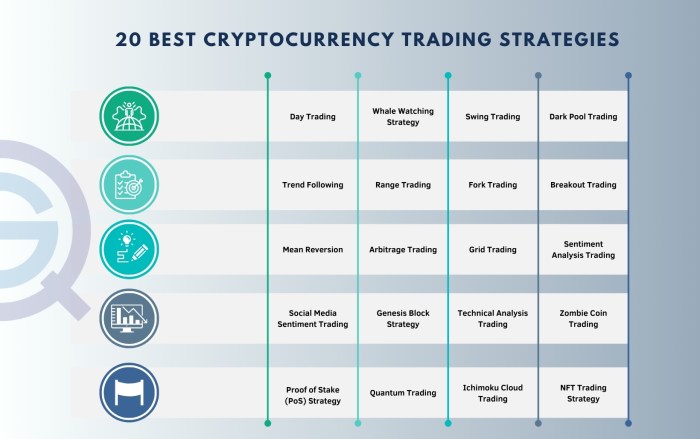
Blockchain analysis tools, artificial intelligence, and decentralized finance (DeFi) platforms are revolutionizing the landscape of secure cryptocurrency trading in 2025.
Blockchain Analysis Tools
Blockchain analysis tools play a crucial role in enhancing security in cryptocurrency trading by providing insights into transaction histories, identifying suspicious activities, and ensuring compliance with regulations. These tools enable traders to track the movement of funds, detect potential fraud, and maintain transparency in the blockchain network.
Artificial Intelligence in Fraud Detection
Artificial intelligence algorithms are increasingly being used to detect fraudulent activities in cryptocurrency trading. These AI systems analyze vast amounts of data in real-time to identify patterns, anomalies, and potential risks. By leveraging machine learning techniques, AI can effectively detect and prevent fraud, enhancing the overall security of crypto transactions.
Decentralized Finance (DeFi) Platforms
Decentralized finance platforms are addressing security concerns in trading by eliminating the need for intermediaries and central authorities. Through smart contracts and decentralized applications (dApps), DeFi platforms enable users to trade directly with each other, reducing the risk of hacking or manipulation.
By decentralizing financial services, DeFi is providing a more secure and transparent environment for cryptocurrency trading.
Last Recap
As we conclude our discussion on trading cryptocurrency in 2025, it becomes evident that embracing legal frameworks and robust security practices is imperative for a successful and sustainable trading experience. Stay informed, stay safe, and watch your investments thrive in the ever-changing world of digital assets.
Questions and Answers
What are the best practices for securing cryptocurrency transactions?
Utilize hardware wallets, enable two-factor authentication, and conduct regular security audits to safeguard your digital assets effectively.
How can traders ensure compliance with AML and KYC regulations?
By verifying the identity of customers, monitoring transactions for suspicious activity, and reporting any potential money laundering activities to regulatory authorities.
What role does artificial intelligence play in detecting fraudulent activities in cryptocurrency trading?
Artificial intelligence aids in analyzing vast amounts of data to identify patterns indicative of fraudulent behavior, enhancing security measures in the trading space.