Embark on a journey through the realm of for Small Law Firms: Tools & Tips, where we delve into the intricacies of enhancing online visibility for legal practices. This guide promises to equip you with the knowledge needed to navigate the digital landscape effectively.
As we explore the nuances of strategies tailored specifically for small law firms, you'll discover practical insights and actionable tips to elevate your firm's online presence.
Overview of for Small Law Firms
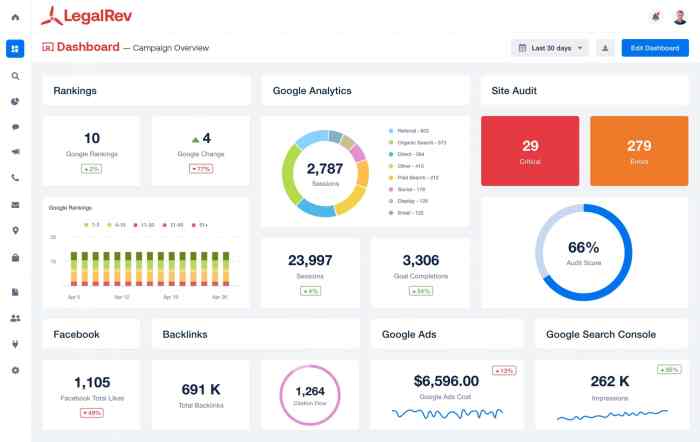
, or Search Engine Optimization, is crucial for small law firms to increase their online visibility and attract potential clients. By optimizing their website and content for search engines, small law firms can rank higher in search results, driving more traffic to their site and ultimately generating more leads.
There are several benefits of implementing strategies for small law firms:
Increased Online Visibility
- By improving their search engine rankings, small law firms can ensure that their website appears on the first page of search results when potential clients are looking for legal services.
- Increased online visibility leads to more organic traffic to the website, increasing the chances of converting visitors into clients.
Targeted Traffic
- allows small law firms to target specific s related to their practice areas, ensuring that they attract traffic from individuals actively seeking legal services in their area of expertise.
- Targeted traffic is more likely to convert into clients, as they are already interested in the services offered by the law firm.
Cost-Effective Marketing
- is a cost-effective marketing strategy for small law firms, as it allows them to reach a targeted audience without the need for expensive paid advertising.
- Investing in can provide long-term benefits, as a well-optimized website can continue to attract organic traffic over time.
Key Differences in Strategies for Small Law Firms
- Small law firms may focus on targeting local s to attract clients in their geographic area, whereas larger firms may target broader s to reach a national or international audience.
- Small law firms can benefit from creating niche content that addresses specific legal issues or concerns of their target audience, establishing themselves as experts in their practice areas.
- Building a strong online reputation through reviews and testimonials is essential for small law firms to establish credibility and attract clients, while larger firms may rely more on brand recognition.
Essential Tools for
When it comes to optimizing the online presence of small law firms, having the right tools at your disposal can make a significant difference in improving visibility and attracting potential clients. Let's explore some key tools that are essential for enhancing the performance of a law firm's website.
Research Tools
research is the foundation of any successful strategy. Tools like Google Planner, SEMrush, and Ahrefs can help small law firms identify relevant s that potential clients are using in their searches. By incorporating these s strategically into website content, meta tags, and other elements, law firms can increase their chances of ranking higher in search engine results.
On-Page Tools
On-page tools like Yoast and Moz Pro offer valuable insights into optimizing individual web pages for search engines. These tools analyze factors such as meta descriptions, title tags, internal linking, and content quality to ensure that each page is fully optimized for maximum visibility.
Backlink Analysis Tools
Building a strong backlink profile is crucial for improving a law firm's performance. Tools like Majestic and Ahrefs can help firms analyze their backlink profiles, identify high-quality backlink opportunities, and monitor the effectiveness of their link-building efforts. By securing quality backlinks from reputable sources, small law firms can enhance their website's authority and credibility in the eyes of search engines.
Local Tools
For small law firms targeting local clients, local tools like Google My Business, BrightLocal, and Moz Local are essential. These tools help firms optimize their online listings, manage customer reviews, and ensure accurate business information across various online directories.
By focusing on local , law firms can improve their visibility in local search results and attract clients in their target geographic areas.
On-Page Strategies
Implementing effective on-page strategies is crucial for small law firms looking to improve their online visibility and attract potential clients. By optimizing various elements on their website, they can enhance their search engine rankings and drive more organic traffic.
Here, we will delve into some important on-page strategies that small law firms should consider.
Optimizing Meta Tags
Meta tags play a significant role in on-page as they provide search engines with information about the content of a webpage. Small law firms should optimize their meta tags, including the title tag, meta description, and meta s, to improve their visibility in search results.
For example, ensuring that the title tag accurately reflects the page's content and includes relevant s can help boost rankings.
Optimizing Headings
Headings, such as H1, H2, and H3 tags, not only help structure the content for readers but also provide search engines with valuable information about the page's hierarchy. Small law firms should optimize their headings by incorporating relevant s and ensuring a logical flow of information.
By using headings effectively, they can improve the readability of their content and enhance .
Optimizing Content
Creating high-quality, informative, and engaging content is essential for on-page success. Small law firms should focus on producing content that is relevant to their target audience, incorporates relevant s naturally, and provides valuable insights
Comparison of On-Page vs. Off-Page
While both on-page and off-page are important for small law firms, on-page plays a crucial role in establishing a strong foundation for their online presence. On-page focuses on optimizing elements within the website itself, such as meta tags, headings, and content, to improve visibility and rankings.
In contrast, off-page involves external factors like backlinks and social signals. While off-page can help boost authority and credibility, on-page is essential for ensuring that the website is optimized for search engines and provides a positive user experience.
Local for Small Law Firms
Local is crucial for small law firms looking to attract clients in their specific geographic area. By optimizing their online presence for local searches, law firms can increase visibility and attract potential clients who are actively seeking legal services in their area.
Optimizing a Law Firm’s Website for Local Search
Optimizing a law firm's website for local search involves several key steps to ensure that potential clients can easily find the firm online:
- Include local s: Incorporate location-specific s throughout the website content to improve visibility in local search results.
- Create location pages: Develop individual pages for each office location to provide detailed information and improve local search rankings.
- Optimize Google My Business: Claim and optimize the law firm's Google My Business listing with accurate contact information, business hours, and photos.
- Implement local schema markup: Add schema markup to the website to help search engines understand the firm's location and services better.
Managing Online Reviews and Local Listings
Online reviews and local listings play a significant role in a law firm's local strategy. Here are some tips for managing online reviews and local listings effectively:
- Encourage client reviews: Ask satisfied clients to leave positive reviews on Google My Business and other review sites to build credibility and attract new clients.
- Respond to reviews: Monitor and respond to client reviews promptly, addressing any concerns or feedback to demonstrate excellent customer service.
- Consistent NAP information: Ensure that the law firm's name, address, and phone number (NAP) are consistent across all online listings to improve local search rankings.
- List on local directories: Submit the law firm's information to local directories and online listings to increase visibility and improve local .
Content Marketing for
Content marketing plays a crucial role in for small law firms by helping to improve search engine rankings, drive organic traffic, and establish authority and credibility in the legal industry. By creating and distributing valuable, relevant, and informative content, law firms can attract and engage their target audience, ultimately leading to more leads and conversions.
Guidelines for Creating -Friendly Content on a Law Firm’s Website
- Research relevant s: Conduct research to identify terms and phrases that potential clients are searching for. Incorporate these s naturally into your content to improve visibility in search engine results.
- Provide valuable information: Offer insightful and helpful content that addresses common legal questions, concerns, and topics within your practice areas. This not only attracts visitors but also showcases your expertise.
- Optimize meta tags: Write compelling meta titles and descriptions that accurately reflect the content on each page of your website. This helps search engines understand the context of your content and improves click-through rates.
- Create engaging multimedia: Utilize images, videos, infographics, and other multimedia elements to enhance the visual appeal of your content. Visual assets can increase user engagement and time spent on your website.
- Promote content on social media: Share your blog posts, articles, and other content on social media platforms to expand your reach, drive traffic to your website, and encourage social sharing.
Importance of High-Quality Content in Improving Search Engine Rankings
High-quality content is essential for improving search engine rankings because search engines prioritize content that is relevant, valuable, and authoritative. By consistently producing well-researched, informative, and original content, law firms can demonstrate their expertise, build trust with users, and increase their chances of ranking higher in search results.
Quality content also encourages backlinks from other reputable websites, which further boosts efforts and enhances online visibility.
Summary
In conclusion, the intricate dance between tools, on-page strategies, local optimization, and content marketing forms the cornerstone of success for small law firms looking to stand out in a crowded digital arena. By implementing the tools and tips Artikeld in this guide, you're poised to unlock new opportunities and reach greater heights of online visibility and client engagement.
General Inquiries
What are the key differences in strategies for small law firms compared to larger firms?
Small law firms often benefit from more localized s and targeted efforts compared to larger firms, which may focus on broader terms and a wider geographical reach. Tailoring strategies to the specific market and audience of a small law firm is crucial for success.
How can small law firms optimize their website for local search?
Optimizing a law firm's website for local search involves creating location-specific landing pages, claiming and updating Google My Business listings, encouraging client reviews, and ensuring consistent NAP (Name, Address, Phone Number) information across online directories.
Why is content marketing important for in small law firms?
Content marketing not only helps establish expertise and trust with potential clients but also provides valuable material for search engines to index and rank. By creating informative and engaging content that resonates with your target audience, small law firms can enhance their online visibility and attract relevant traffic.